
Miami-Dade Multi-Day Arrest Records
Miami-Dade County publishes no named 72-hour, seven-day, or weekly arrest blotter. What the county does offer is MDCR's Corrections Reports page, which posts daily population information. Its dashboard shows booked, released, and in-custody totals along with trend charts. Those numbers measure the pace of jail activity. They never name a single person. No booking photo, charge, or release event appears in them. A named arrest record must come from elsewhere. The live roster, an agency report, a records request, and the Clerk's case index fill that gap. Since no blotter exists, the county sets no archive depth or roll-off period for one.
Read Miami-Dade Blotter Sources
A good multi-day search splits the work by record type. Custody, volume, incident, and court data each live with a different official owner. Start at the office that holds the record you need, then compare dates with care.
- Check MDCR current custody for a person who may still be held.
- Review Corrections Reports for aggregate booking and release trends, not names.
- Identify MDSO or the municipal department that made the arrest and request its report.
- Search the Clerk's CJIS by defendant, jail number, police number, or case number.
- For an older booking, ask the correct custodian for the defined record series and date range.
The Arrests Last 24 Hours page covers fresh bookings and intake lag. A multi-day search is different. There the person may have already left the live roster, so the record must be followed elsewhere.
What Miami-Dade Entries Can Show
No single public log holds every field. What a Miami-Dade entry shows depends on the source and on where the person stands in custody or the court process.
| Source | Available information |
|---|---|
| MDCR roster | Name, birth date, race, sex, location, booked charges, bond, jail number, booking date and time, and mugshot where displayed. |
| Corrections Reports | Aggregate booked, released, in-custody, and trend information without named entries. |
| Arresting agency | Incident or arrest report, affidavit, narrative, police number, and other releasable details. |
| Clerk CJIS | Defendant, case, jail number, police or citation number, calendars, events, and later disposition. |
| News coverage | Selected incidents based on editorial choice, often sourced to agencies, affidavits, jail records, or court files. |
Keep three dates apart. A booking date is not always the arrest date, and a publication date can fall even later. Checking those timestamps side by side prevents most confusion.
Miami-Dade Jail Trends, Not Names
Miami-Dade's daily dashboard stretches beyond the present moment. It offers trend views of booked and released counts across several months. Short-term detainer context comes with them. A detainer is a request or hold that affects custody or transfer. It is not a new conviction. The official Corrections Reports interface keeps that boundary plain. It delivers jail totals and charts, never a roster of names.
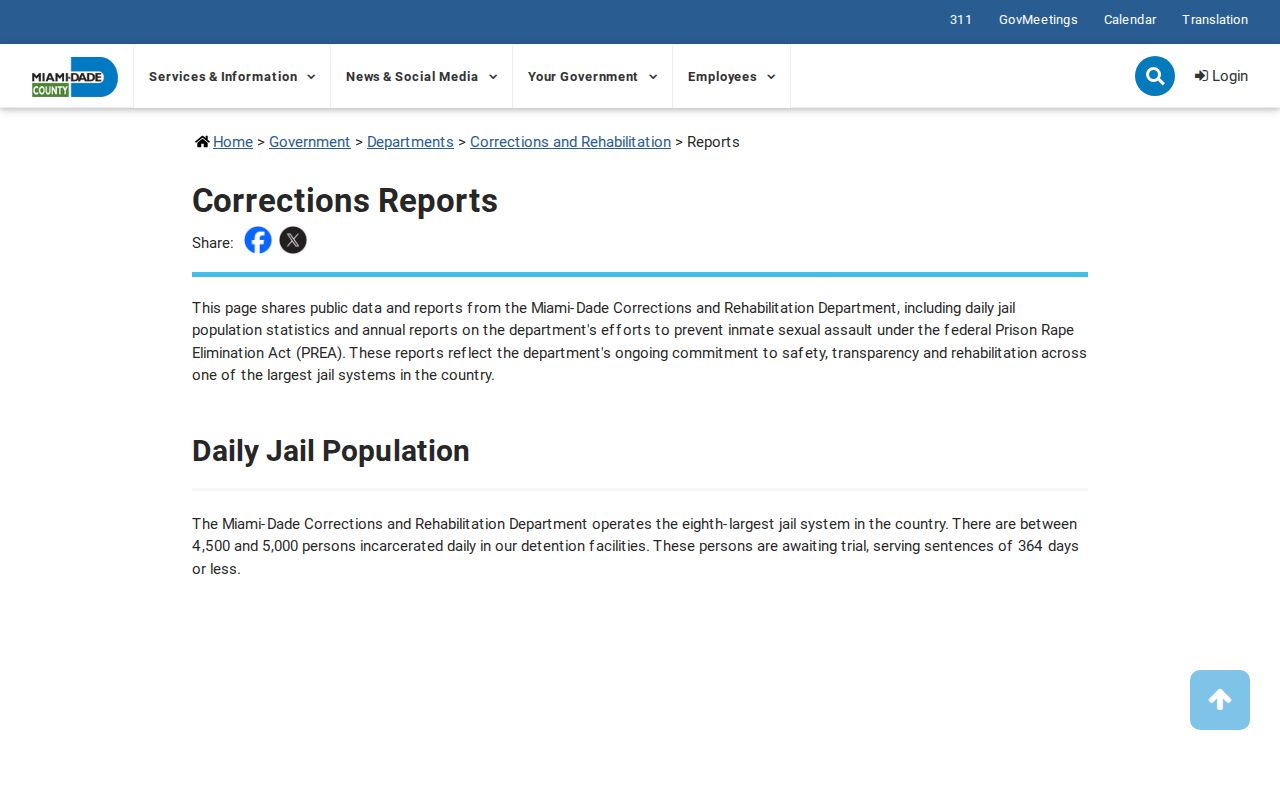
The page serves up numbers. It is not an official roster of everyone arrested over several days. Miami-Dade also publishes no county DUI-checkpoint or enforcement-blitz booking log. MDSO releases, city announcements, and press reports may describe one specific operation. None of them stretches far. No single source gives a complete list of arrests.
Miami-Dade News Arrest Coverage
Official MDSO announcements should come first when the sheriff reports an arrest. Local news adds useful detail after that. The Local 10 local section, Miami Herald Crime, NBC 6 South Florida, and WSVN all run event-driven stories touching on MDSO, municipal police, affidavits, court appearances, and jail records. Coverage is selective, and some articles use agency or booking images. The Local 10 section page shows that editorial format in practice.

News stories move fast, but they are no substitute for a Miami-Dade arrest log. Verify anything important against official records. WSVN's Miami-Dade section also posts frequent local updates and keeps older pages reachable.
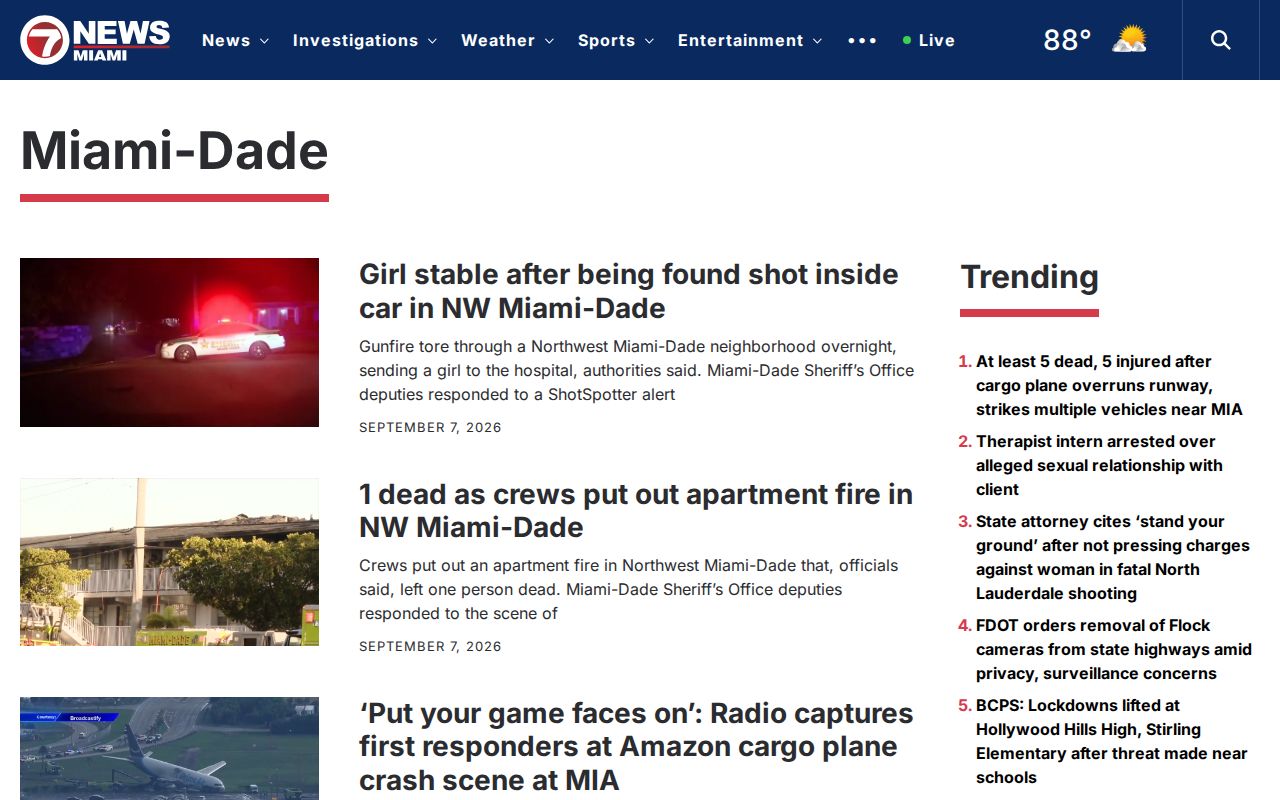
Pagination gives you news history, not proof of a complete booking archive. Read a story's arrest date, publication date, and source agency as three separate facts.
Unofficial Miami-Dade Arrest Archives
Treat third-party archives with a strong staleness warning. Always rank official sources ahead of them. Busted Newspaper, Arrests.org, Mugshots.zone, and similar local pages copy booking data and keep it long after release, often omitting later outcomes and attaching their own timestamps. RecentlyBooked's Florida index lists no Miami-Dade section. Do not substitute another county's page. The Miami-Dade Mugshots.zone archive is one unofficial example, with dated entries and monthly links.
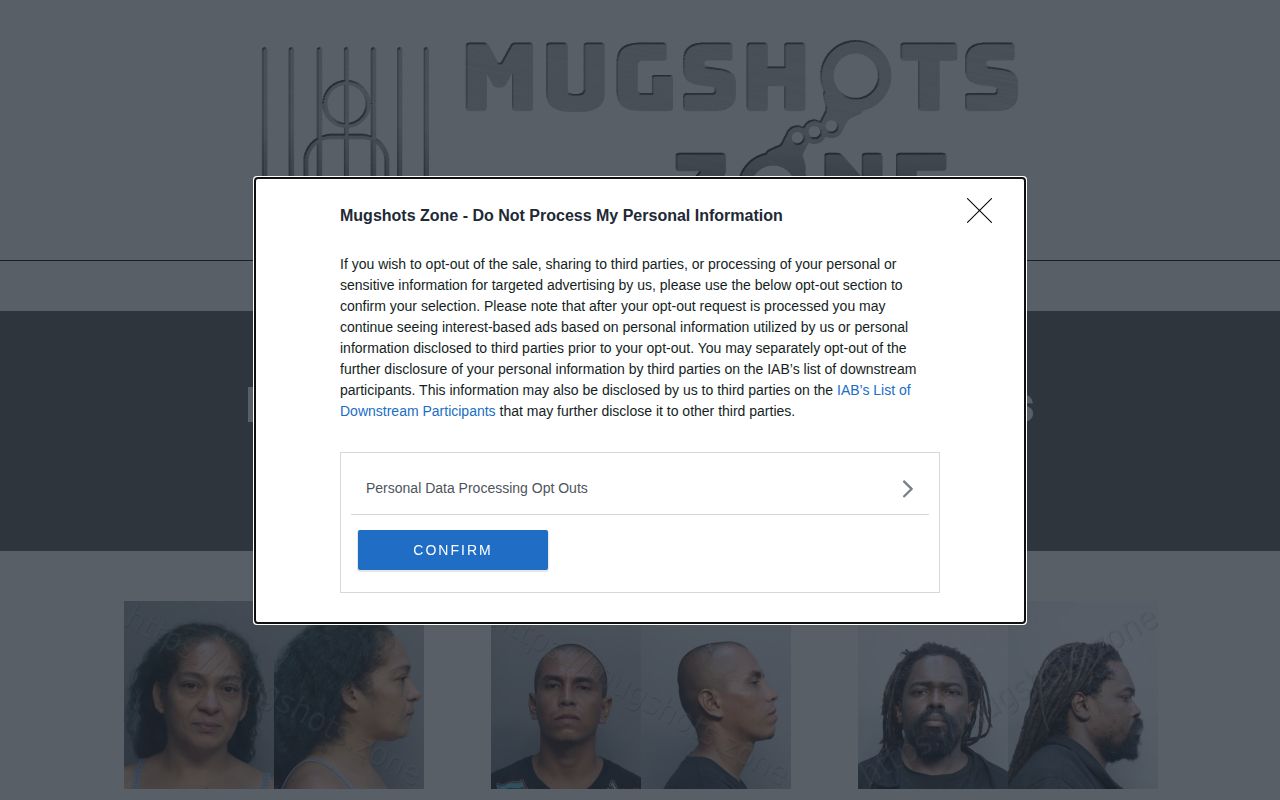
An unofficial archive may outlast the official roster. It still cannot settle current status or outcome. Only MDCR, the arresting agency, and the Clerk hold that answer. And never treat a city label as proof of which agency made the arrest.
Request Older Miami-Dade Records
Florida's GS2 retention schedule explains something useful. A paper trail can survive after the web entry disappears. Booking records must be kept at least one anniversary year after release. Commitment and release lists follow the same rule. Daily inmate headcounts carry a one-fiscal-year minimum. Jail docket books stay permanent. These are retention rules, not promises of online posting. For older material, request booking, jail-card, movement, commitment, or release records from MDCR. Ask MDSO or the city police department for the arrest report and affidavit. The Clerk handles dockets, warrants, case events, and certified dispositions. Include the person, record type, date range, agency, facility, and any known identifiers.
- Roster
- A current-custody list that can change at release.
- Blotter
- A chronological incident or arrest list; no verified countywide named version was found.
- Disposition
- The court's recorded outcome, distinct from the booked charge.
Note: State retention minimums do not guarantee that an older record is digitized, public in full, or still held beyond its lawful schedule.